
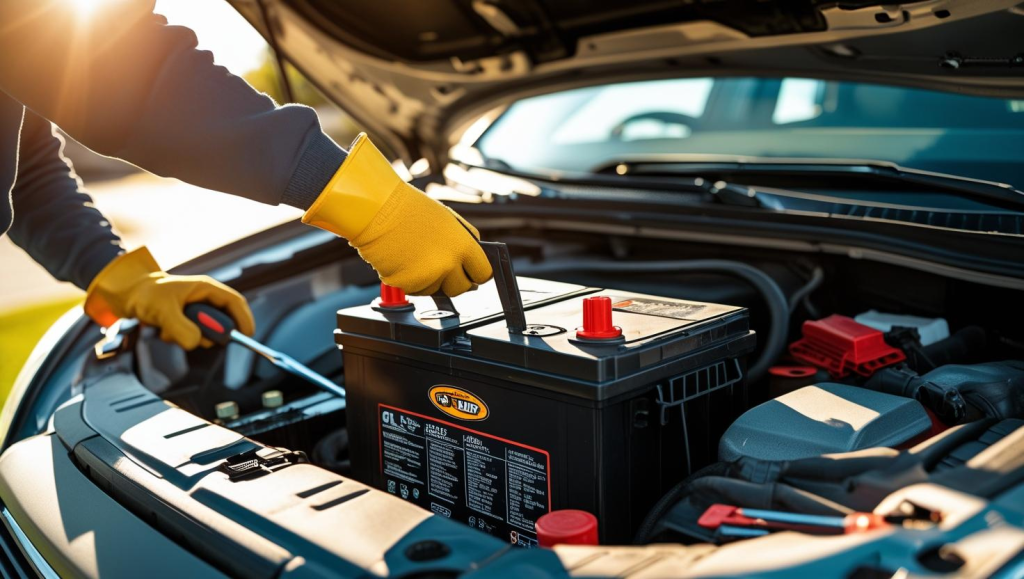
Signs Your Car Battery Replacement Is Due (Before It Leaves You Stranded)
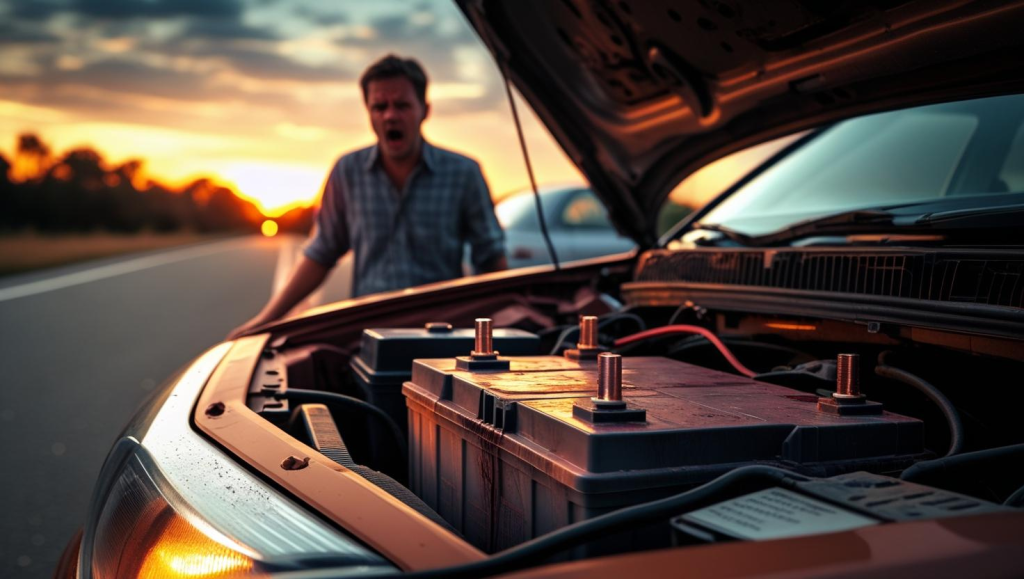
Nobody wants that sinking feeling when the engine just won’t turn over. Watch for key symptoms:
- Slow engine crank or grinding/clicking noises when starting
- Dim headlights or flickering dashboard lights (especially at idle)
- Battery warning light illuminated on the dash
- Visible corrosion, bulging casing, or sulfuric (rotten-egg) odor
Being proactive can save you from roadside frustration.
How to Choose the Right Battery for Your Vehicle: Car Battery Replacement Tips

Picking the correct battery isn’t guesswork—it’s essential.
- Battery group size & terminal layout: Must match your car’s make and model
- Cranking Amps & Cold Cranking Amps (CCA): Ensure reliable starts in cold temperatures
- Reserve Capacity & warranty length: Longer guarantees often mean better value and reliability
- Trusted sources: Guides from Haynes manuals and Firestone provide model-specific recommendations.
📌 “Need a quality replacement? Visit Cash N Carry Pull Your Part to browse batteries that match your vehicle
Step-by-Step Car Battery Replacement: Safely Disconnect and Remove Your Old Battery
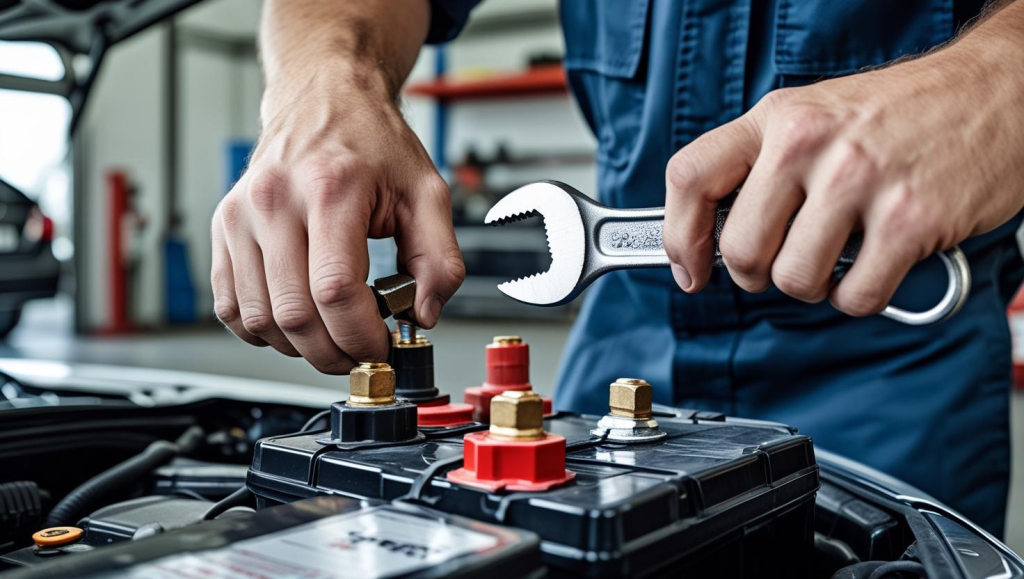
Let’s walk through the safe DIY procedure:
- Park safely, engine off, and apply emergency brake. Ensure the car is stable—use wheel chocks if needed
- With gloves and goggles on, open the hood and locate the battery. Identify positive (“+”/red) and negative (“–”/black) terminals
- Disconnect the negative terminal first, then the positive to avoid short-circuit risks
- Remove any clamps or brackets holding the battery in place, then lift it out carefully (batteries weigh ~40–60 lbs)
📌 “Dispose of your old battery responsibly—and maybe earn a credit! Check Cash N Carry Parts for recycling options.”
Car Battery Replacement Task: Cleaning Corrosion and Preparing the Battery Tray (Don’t Skip This!)
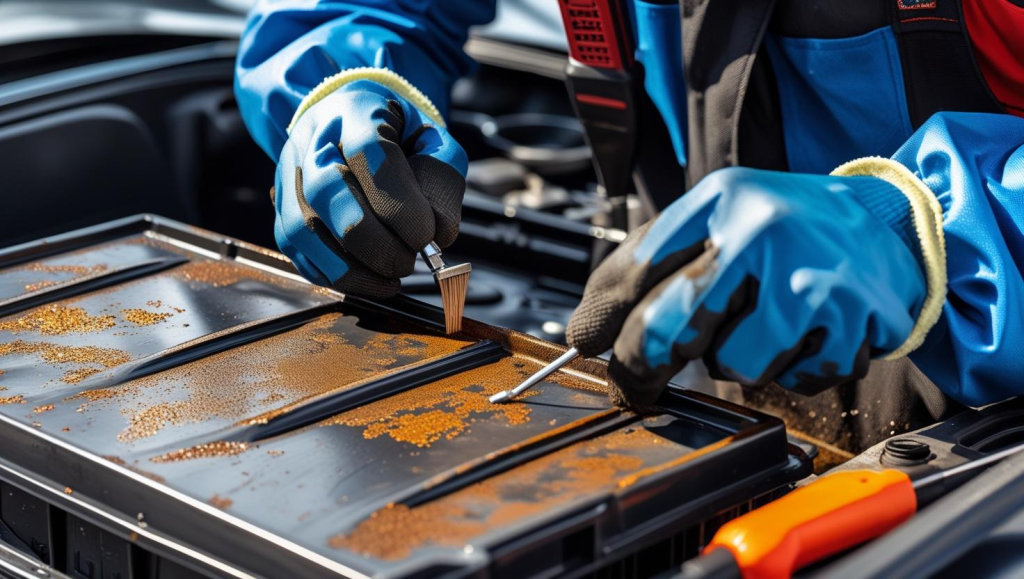
Attention to detail here prevents future electrical issues:
- Use a wire brush and a baking soda–water mixture to clean corrosion off the terminals and tray
- Dry the area thoroughly—never install a battery on damp surfaces.
- Optionally, apply dielectric grease or a terminal protector to resist future corrosion
Installing Your New Battery: Car Battery Replacement Tips to Get Connections Right
Accuracy matters here:
- Place anti-corrosion washers on the posts, if available
- Position the battery correctly—match positive to red, negative to black.
- Reattach clamps—connect positive first, then negative.
- Ensure everything is tight and secure; close the hood and start the car to test.
Extend Your Battery Life After Car Battery Replacement: Maintenance Hacks That Really Work
A few simple habits can keep your battery healthier longer:
- Visual inspections: Look for cracks, swelling, or corrosion regularly
- Electrolyte levels: If accessible, keep them at recommended levels using distilled water
- Charge maintenance: Use a trickle charger during extended inactivity
- Preventative care: Avoid leaving lights or devices on, and get regular battery tests to catch fading capacity early
Final Summary / Conclusion
Replacing your car battery at home doesn’t have to be stressful—or expensive. In this beginner-friendly car battery replacement guide, you learned to:
- Recognize warning signs early.
- Choose the right battery specs for your ride.
- Remove and install safely with minimal tools.
- Clean corrosion and prep for optimal performance.
- Use simple maintenance hacks to extend battery lifespan.
With these steps and the right tools—or parts—(like those from Cash ‘n Carry Parts), you can save money, stay safe, and never be stranded again.
FAQs
1. How do I know when to replace my car battery?
Answer: Look for slow cranks, dashboard battery lights, or dim headlights—even before the car dies.
2. Is it hard to replace a battery myself?
Answer: Not at all—just gather basic tools, follow the steps, and prioritize safety.
3. Can I use any car battery as a replacement?
Answer: No—always pick the right group size, terminal orientation, CCA rating, and warranty for your vehicle.
4. Do I need to return the old battery somewhere?
Answer: Yes! Many places offer recycling credit and ensure proper disposal—Cash N Carry Parts is a great option.

